Elves, Gnomes, Pixies
A fairy, or faerie, is a spirit or supernatural being that is found in the legends, folklore, and mythology of many different cultures. more...
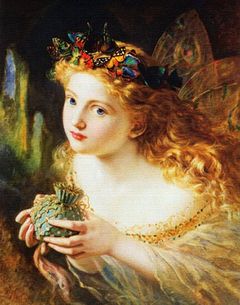
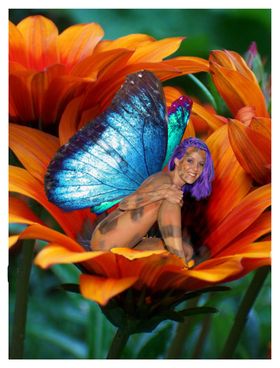
They are generally human like in their appearance and have supernatural abilities such as the ability to fly, cast spells and to influence or foresee the future. Although in modern culture they are often depicted as young, sometimes winged, females of small stature, they originally were of a much different image: tall, angelic beings and short, wizened trolls being some of the commonly mentioned fay. Pixies, Gnomes, leprechauns and boggarts however are generally depicted as males as shown in (Katherine Briggs, 1979) book Abbey Lubbers, Banshees and Boggarts (ISBN 0722655371).
Etymology
The words fae and faerie came to English from Old French which originated in the Latin word "Fata" which referred to the three mythological personifications of destiny, the Greek Moirae (Roman Parcae, "sparing ones", or Fatae) who were supposed to appear three nights after a child's birth to determine the course of its life. They were usually described as cold, remorseless old crones or hags (in contrast to the modern physical depiction). The latin word gave modern Italian's fata, Catalan and Portuguese fada and Spanish hada, all of which mean fairy. The Old French fée, had the meaning "enchanter." Thus féerie meant a "state of fée" or "enchantment." Fairies are often depicted enchanting humans, casting illusions to alter their emotions and perceptions so as to make themselves at times alluring, frightening, or invisible. Modern English inherited the two terms "fae" and "fairy," along with all the associations attached to them.
Read more at Wikipedia.org